

AI agents are transforming the business landscape. They automate tasks, enhance efficiency, and drive innovation.
These digital agents are not just a trend; they are a necessity for modern enterprises. Businesses are leveraging AI technology to stay competitive and relevant.
AI assistants are becoming integral to operations, handling everything from customer service to data analysis. They free up human resources for more strategic tasks.
Smart AI systems learn and adapt, offering continuous improvement and personalised solutions. This evolution in AI technologies is reshaping how businesses operate.
The future of AI agents in business is promising, with endless possibilities for growth and innovation.
Understanding AI Agents: Definitions and Core Concepts

AI agents are software programs that perform tasks based on provided information. They mimic human decision-making processes to solve problems efficiently.
These agents come in various forms, including conversational bots and autonomous systems. They interact with users and environments using natural language processing.
The core components of AI agents include perception, reasoning, and action. Perception involves data collection from the environment. Reasoning allows the agent to make decisions based on this data, and action executes tasks accordingly.
Key concepts to know include:
- Perception: Gathering and interpreting data inputs.
- Reasoning: Analysing data to make decisions.
- Action: Implementing decisions to achieve objectives.
AI agents operate based on defined algorithms and can learn from experience. They adapt to new inputs, becoming smarter over time. This adaptability is crucial as business needs evolve.
In business, AI agents offer tailored solutions, enhancing productivity and decision-making. They integrate seamlessly into existing systems, providing scalable solutions for complex challenges.
The Evolution of AI Technology in Business
AI technology has transformed rapidly over the years, becoming a cornerstone in business operations. Initially, AI was limited to basic automation. However, advancements in machine learning and data analytics have expanded its capabilities significantly.
Modern AI technologies now include deep learning, neural networks, and natural language processing. These advancements enable AI to handle complex tasks previously thought impossible for machines.
Businesses have adopted AI technology to improve efficiency and reduce costs. AI streamlines processes like data management and customer interactions, thereby enhancing overall productivity.
Key evolutionary milestones in AI for business include:
- Automation: Replacing repetitive tasks with AI solutions.
- Data analysis: Using AI to derive insights from large datasets.
- Natural Language Processing: Facilitating human-like communication.
- Predictive analytics: Forecasting trends and consumer behaviours.
These technologies have paved the way for digital transformation across industries. Companies now leverage AI to gain competitive advantages. AI’s continuous evolution promises further enhancements, making businesses more agile and innovative. As AI technology progresses, its applications will only continue to diversify, driving unprecedented business growth and development.
Key Applications of AI Agents in Modern Enterprises
AI agents have become essential tools in modern business operations. Their versatility allows them to support various functions within enterprises, enhancing efficiency and productivity.
In customer service, AI agents act as first-line responders, managing inquiries round-the-clock. This continuous support not only increases customer satisfaction but also frees human employees for strategic tasks.
Data analysis is another critical area where AI agents excel. They can process immense data volumes swiftly, enabling businesses to make informed decisions driven by insights.
The role of AI agents extends to internal communications as well. With AI assistants, teams can collaborate more effectively, improving overall organisational performance.
Prominent applications of AI agents in businesses include:
- Customer Service: Automated support and issue resolution.
- Data Insights: Analysing trends and predicting outcomes.
- Process Automation: Streamlining repetitive tasks.
- Supply Chain Management: Optimising logistics and inventory.
These applications illustrate how AI integrates into day-to-day business operations. Companies employing AI agents gain a competitive edge, benefiting from enhanced productivity and data-driven strategies. As AI technology advances, its applications in enterprises will likely expand, offering new ways to innovate and thrive in a digital economy.
AI Assistants and Digital Agents: Transforming the Workplace
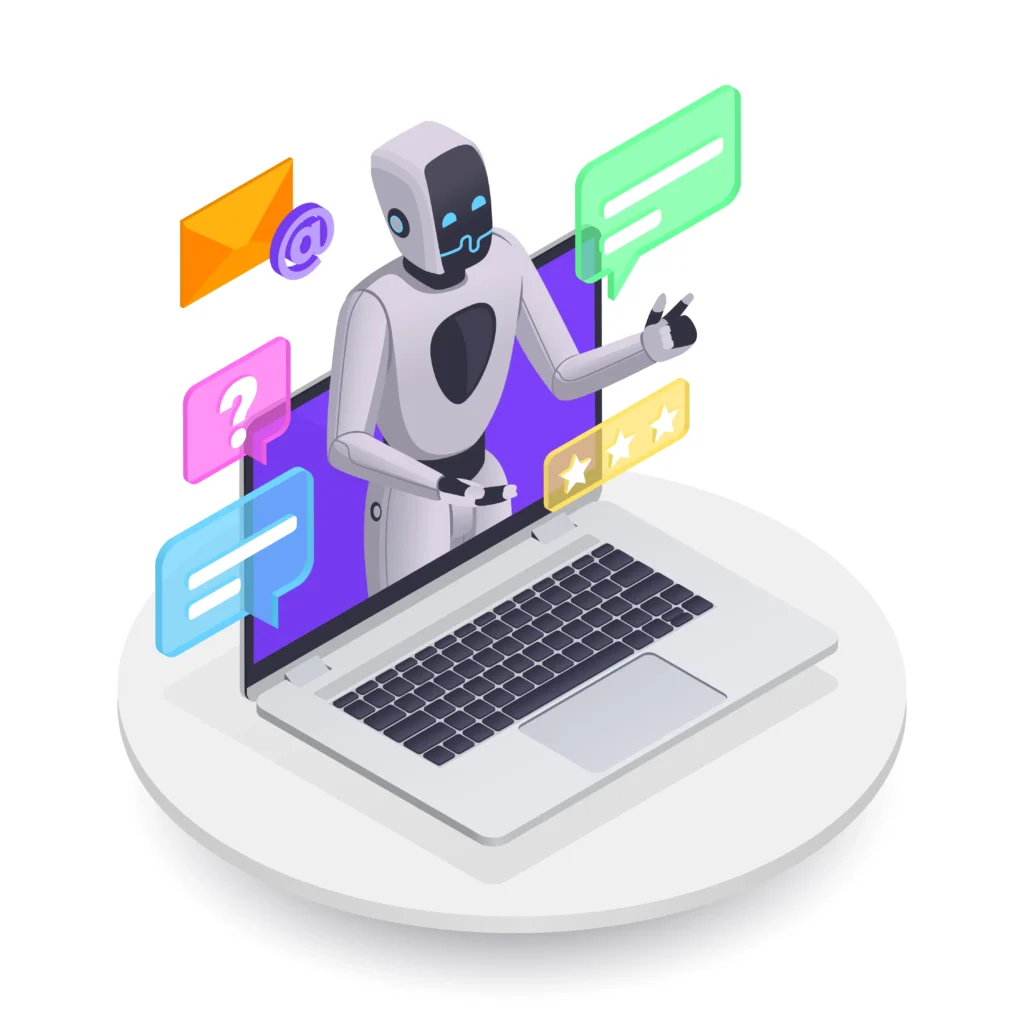
AI assistants and digital agents are reshaping how businesses operate. They streamline tasks that would otherwise consume valuable time and resources.
In the workplace, AI assistants handle scheduling, reminders, and email filtering. These tasks, often seen as mundane, become automated, allowing employees to focus on tasks requiring human insight and creativity.
Digital agents enhance workplace efficiency by facilitating better communication. They integrate with organizational tools, aiding in project management and team collaboration. This seamless integration ensures information is accessible and tasks progress smoothly.
AI assistants also contribute to decision-making processes. By gathering and analyzing data, they provide actionable insights that inform business strategies. Their ability to process information quickly results in timely and informed decisions.
Key roles of AI assistants and digital agents include:
- Task Automation: Managing schedules and reminders.
- Data Analysis: Providing insights for strategic decisions.
- Communication Enhancement: Improving team collaboration.
- Information Management: Organizing data for easy access.
The transformation of the workplace through these AI technologies is evident. Businesses adopting AI assistants see increased productivity and streamlined operations, leading to more significant innovation and growth opportunities.
Smart AI: Learning, Adaptation, and Continuous Improvement
Smart AI represents a new frontier in technology. It learns from interactions and adapts to changing environments. This ability enhances decision-making and operational efficiency.
These AI systems continuously improve by analysing vast amounts of data. They refine their algorithms to perform tasks with greater accuracy over time. This adaptive learning ensures that smart AI remains relevant and effective, even as business needs evolve.
The benefits of smart AI are numerous, and they include:
- Continuous Learning: Adapting to new data inputs.
- Increased Accuracy: Reducing errors over time.
- Proactive Improvement: Evolving with business demands.
As businesses embrace smart AI, they gain a competitive edge. These systems not only meet current demands but also anticipate future needs, helping businesses to stay ahead of the curve in an ever-evolving market landscape.
Industry-Specific AI Solutions: Case Studies and Examples
AI solutions are transforming various industries with tailored applications. Each sector leverages AI technologies uniquely to enhance processes and outcomes.
In the healthcare sector, AI agents assist in diagnostics and personalised medicine. They analyse patient data rapidly, aiding physicians in treatment decisions. This use of AI improves accuracy and patient care.
Financial services benefit from AI through enhanced fraud detection and risk management. By analysing transaction patterns, AI can identify anomalies and potential threats, minimising financial risks.
In retail, AI technologies optimise inventory management and personalise customer experiences. They provide insights into consumer behaviour, leading to more efficient operations and satisfied customers.
Some noteworthy industry-specific applications include:
- Healthcare: Diagnostics and treatment planning.
- Finance: Fraud detection and risk management.
- Retail: Inventory control and customer personalisation.
Industries are continually uncovering new ways to integrate AI into their processes. AI solutions not only streamline operations but also create innovative opportunities for growth and advancement, setting the stage for a dynamic future.
Benefits of Integrating AI Agents in Business Operations
Integrating AI agents into business operations provides numerous benefits. These smart AI systems optimise efficiency by automating routine tasks. As a result, human resources focuses on creative and strategic work.
AI solutions also enhance decision-making. By processing vast amounts of data, they provide actionable insights that guide business strategies. This data-driven approach leads to more informed and impactful decisions.
Moreover, AI technologies contribute to cost savings and increased productivity. They streamline processes and reduce the likelihood of errors. Additionally, AI agents operate around the clock, ensuring continuous service and support.
Some key benefits include:
- Efficiency: Automate routine tasks.
- Insight: Enhance data-driven decision-making.
- Cost Savings: Reduce operational costs.
These advantages make AI integration an appealing prospect for businesses aiming to innovate and excel.
Challenges and Ethical Considerations in AI Adoption
Adopting AI technologies in business isn’t without its challenges. Ensuring data privacy and security is a top concern. Businesses must implement robust systems to protect sensitive data.
Ethical considerations also play a crucial role. AI decisions can sometimes be opaque, leading to fairness and bias issues. Transparent policies are essential to address these concerns.
Furthermore, integrating AI requires significant investment. Both financial resources and employee training are necessary. Resistance to change from within the organisation can also slow down AI adoption.
Key ethical considerations include:
- Privacy: Ensuring data security.
- Fairness: Addressing bias issues.
- Transparency: Clear decision-making processes.
These challenges highlight the need for a strategic and ethical approach to AI integration.
The Future Outlook: Trends and Innovations in AI Technologies
The AI landscape is rapidly changing, driven by continuous innovation. Emerging trends indicate even more sophisticated AI capabilities on the horizon. Businesses must stay updated to leverage these advancements effectively.
AI technologies are becoming more integrated with other cutting-edge technologies. Combining AI with IoT, blockchain, and AR/VR is becoming commonplace. This fusion enhances the functionalities AI can offer to businesses.
As AI grows, businesses can expect several key trends:
- Emotional Intelligence: AI understands human emotions better.
- Augmented Reality (AR): Enhanced business processes.
- Predictive Analytics: Improved anticipation of trends.
Adapting to these innovations requires a forward-thinking approach. Businesses need to invest time in understanding potential AI applications. Embracing these trends can offer significant competitive advantages.
Getting Started: Steps for Businesses to Embrace AI Agents
Embarking on the AI journey requires careful planning and strategy. Businesses should focus on identifying areas where AI agents can have the most impact. Initial steps involve evaluating current processes and potential enhancements through AI.
To begin with, companies can follow these steps:
- Assess Needs: Identify pain points and opportunities.
- Choose the Right Solution: Select AI technologies that fit business goals.
- Pilot Projects: Start small, then scale.
- Train Employees: Equip teams with necessary skills.
- Ensure Data Privacy: Implement robust security measures.
By systematically adopting AI, businesses can enhance efficiency and drive innovation.
Conclusion: Embracing the AI-Driven Future
The integration of AI agents is reshaping business landscapes. Embracing these technologies can unlock unprecedented opportunities. As companies adapt, they position themselves to meet future challenges with innovative solutions.
By leveraging AI agents, businesses can enhance productivity and remain competitive. The future is AI-driven, and those who lead will thrive.
Author Info
Jijo Jose , a Freelance digital marketer in Kerala, India
Also, an ambassador of CDA Academy, a Digital marketing academy in Kochi, Kerala


